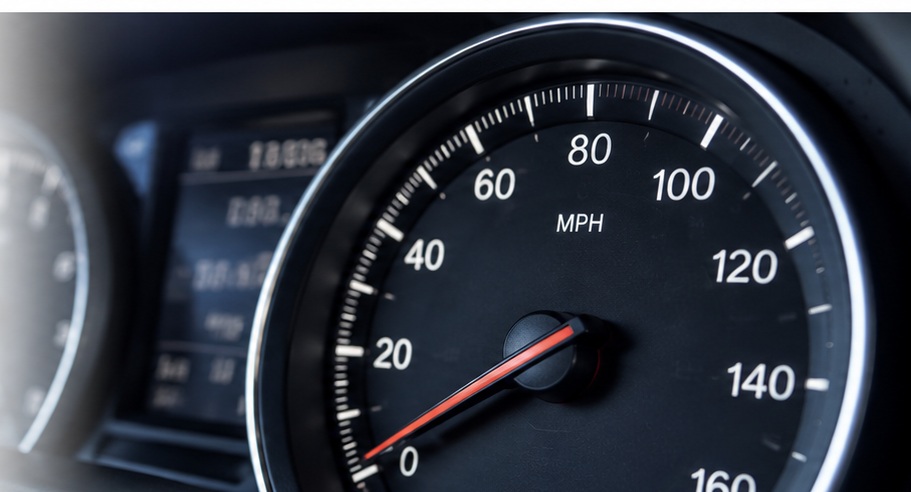
If you have been charged with speeding or reckless driving by speed in Virginia, you may hear someone suggest having your vehicle's speedometer calibrated before court. A speedometer calibration is a test that compares the speed displayed on your vehicle's speedometer with the vehicle's actual speed. The purpose is to determine whether the speedometer is reading accurately. Virginia law specifically allows certain speedometer-calibration evidence to be considered in cases involving an allegation that a driver exceeded a maximum speed limit.
What Does Virginia Law Say?
Virginia Code § 46.2-942 provides that, in the trial of a person charged with exceeding a maximum speed limit in Virginia, the court shall receive as evidence a sworn report of the results of a calibration test of the accuracy of the speedometer in the motor vehicle operated by the defendant at the time of the alleged offense. The statute also provides that the court or jury considers the report both in determining guilt or innocence and in fixing punishment.
What Can a Speedometer Calibration Show?
The calibration determines whether the speed shown on the vehicle's speedometer corresponds with the vehicle's actual speed. For example, a test might show that when the speedometer displays one speed, the vehicle is actually traveling somewhat faster or slower. The significance of any difference depends upon the particular facts of the case. A calibration does not automatically result in a charge being dismissed or reduced.
Why Might Someone Get a Calibration Before Court?
A calibration can provide objective information about the accuracy of the speedometer in the vehicle that was being driven when the alleged offense occurred. Virginia law permits a qualifying sworn calibration report to be considered as evidence in a prosecution for exceeding a maximum speed limit. Whether the results help, hurt, or make no meaningful difference in a particular case depends upon the results and the circumstances.
The Vehicle Matters
Virginia Code § 46.2-942 refers to the speedometer in the motor vehicle operated by the defendant at the time of the alleged offense. Accordingly, a calibration of a different vehicle would not establish the accuracy of the speedometer in the vehicle involved in the alleged offense. If the vehicle was rented, borrowed, sold, damaged, or otherwise unavailable for testing, the driver may wish to keep documentation explaining why a calibration could not be obtained.
The Report Must Be Sworn
Virginia Code § 46.2-942 specifically refers to a ‘sworn report’ of the results of the speedometer calibration test. If you have your speedometer calibrated for possible use in court, make sure the documentation you receive is a sworn calibration report suitable for presentation in a Virginia court. Keep the original report to bring with you to court.
Does Virginia Law Require the Defendant's Speedometer Calibration to Be Less Than Six Months Old?
Virginia Code § 46.2-942 itself does not state a six-month age requirement for the defendant's speedometer-calibration report. Virginia law contains separate calibration requirements relating to certain devices used by law enforcement to measure vehicle speed. Those requirements should not be confused with § 46.2-942's provision concerning a calibration of the speedometer in the defendant's vehicle.
Will a Calibration Get a Speeding or Reckless Driving Charge Reduced?
A speedometer calibration does not automatically result in a speeding or reckless driving charge being reduced or dismissed. The statute makes qualifying calibration evidence admissible and directs the court or jury to consider it. The effect of a calibration depends on the test results, the alleged speed, the charge, the other evidence, and the circumstances of the individual case.
When Should a Calibration Be Done?
If you plan to have your speedometer calibrated for an upcoming court case, have it done far enough in advance to allow time for the vehicle to be tested and for you to receive the completed sworn report. Keep the original report and bring it with you to court if you intend to present the calibration as evidence.
Official sources
- Virginia Code § 46.2-942 — Admissibility of results of speedometer test in prosecution for exceeding speed limitOfficial text of Virginia Code § 46.2-942 from the Code of Virginia.
Educational information only